Leave Your Message
Figuring out how to source Calcium Glycinate isn’t exactly a walk in the park, especially with the market changing so fast these days. If you’ve been keeping an eye on industry reports, you’ll see the global market for calcium glycinate is expected to hit around USD 160 million by 2026. This growth is mostly thanks to its rising popularity in dietary supplements, medicines, and personal care products. At Shaanxi Yuantai Biological Technology Co., Ltd., we’re really aware of how crucial quality and sustainability are when it comes to sourcing raw materials and plant extracts. That said, it’s not always smooth sailing — supply chain hiccups, different rules and regulations from country to country, and the challenge of finding trustworthy suppliers can make the whole process pretty complicated. In this blog, I’ll walk you through some of the common hurdles buyers face when sourcing Calcium Glycinate, and share a few tips on how you can tackle these issues like a pro.
As the global demand for dietary supplements keeps climbing, the process of sourcing calcium glycinate has become more complicated than ever. I recently came across a market analysis from Grand View Research, which predicts that the worldwide calcium supplement market could hit around $30.41 billion by 2027, growing at an annual rate of about 7.4%. It's pretty clear this boom is mainly fueled by folks becoming more aware of preventive healthcare and the rise in osteoporosis cases, especially among older adults. So, if you’re trying to find reliable suppliers of calcium glycinate, understanding these market trends is more important than ever.
One of the big trends right now is the move towards clean-label products. Consumers are paying more attention to what’s in their supplements, which means manufacturers are looking for high-quality, naturally sourced calcium glycinate. According to reports, roughly 60% of people prefer products free from artificial additives, making transparency in the supply chain a must. If you're in the game, it's a good idea to work with suppliers who can give you clear product details and sourcing info—this way, you’re better aligned with what your customers want.
**Tips:** When you're sourcing calcium glycinate, don’t forget to check the supplier’s certifications—making sure they meet international quality standards is key. Also, it’s smart to find suppliers who can handle both bulk orders and smaller volumes easily, so your supply chain stays flexible and doesn’t slow you down.
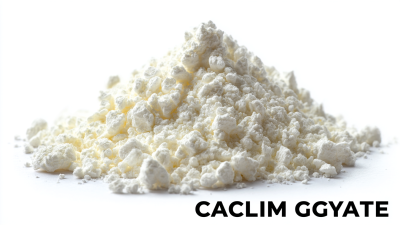
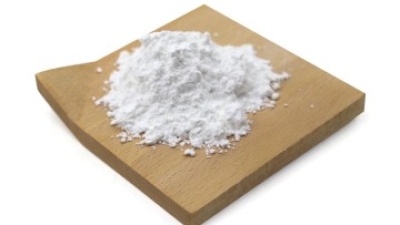
Calcium Glycinate, with the CAS number 35947-07-0, is gaining recognition in the health and wellness sector for its remarkable benefits. This compound, which features a molecular formula of C2H7CaNO2 and a molecular weight of 117.16, is known for its high solubility in water at a rate of 580.12g/L at 20°C, making it an effective source of calcium that the body can easily absorb. The presence of calcium in our diet is crucial for maintaining healthy bones and teeth, and Calcium Glycinate stands out for being less likely to cause gastrointestinal discomfort compared to other calcium supplements.
Moreover, its density of 1629 at 20°C contributes to its stability during handling and transportation, ensuring that the product retains its quality over time. This is especially significant for consumers looking for reliable supplements that can be shipped quickly—typically within 1-3 days. With its inventory readily available, Calcium Glycinate is an ideal choice for those conscious of their health and wellness. The compound not only supports skeletal health but also plays a role in muscle function and nerve transmission, showcasing the multifaceted benefits of incorporating Calcium Glycinate powder into a daily wellness routine.
Incorporating Calcium Glycinate into your supplement regimen could enhance overall health outcomes, as studies indicate that bioavailable forms of calcium are essential for optimal nutrient absorption and metabolic health. As research continues to underscore the importance of maintaining adequate calcium levels, Calcium Glycinate emerges as a superior option for health-conscious individuals seeking effective mineral supplementation.
: The global calcium supplements market is driven by heightened awareness of preventive healthcare and the increasing prevalence of osteoporosis, particularly among aging populations, with an expected growth reaching $30.41 billion by 2027.
There has been a shift towards clean-label products, with around 60% of consumers preferring items that are free from artificial additives, highlighting the importance of transparency in supply chains.
Buyers should verify that suppliers operate in compliance with Good Manufacturing Practices (GMP) and hold relevant certifications, such as ISO standards, to ensure quality control.
It is crucial to conduct thorough testing of samples for purity and potency before large orders to ensure there are no contaminants that could compromise health.
Buyers should ask for a Certificate of Analysis (CoA) from suppliers to confirm that the calcium glycinate meets specified quality standards.
Buyers must navigate varied compliance requirements across different markets, which can complicate the procurement process and necessitate a thorough understanding of local regulations.
Ongoing advancements in technology are prompting regulators to adapt their approaches, which impacts compliance requirements and sourcing strategies for buyers.
Investing in relationships with reliable suppliers can enhance the sourcing process, making it smoother and more efficient, ultimately leading to better quality products in the market.
Buyers should inquire about the origins of raw materials, as this can significantly affect the final product's quality.
Suppliers who offer flexible ordering options can accommodate both bulk and smaller volume needs, helping buyers adapt to their business requirements seamlessly.
Hey there! So, in our blog titled "Navigating the Challenges: Common Issues with Sourcing Calcium Glycinate for Global Buyers," we really dive into some of the tricky parts international buyers face when dealing with calcium glycinate. We chat about the main trends shaping the global market and share some handy tips on how to spot reliable suppliers—trust me, there are some red flags you definitely want to watch out for. Quality is a big deal here, and we break down exactly what buyers should be checking to ensure they’re getting top-notch calcium glycinate.
We also talk about the regulatory hurdles that differ from one market to another, and throw in some strategies for managing costs smarter so you can make your sourcing process a lot smoother. As a company that specializes in plant extracts and raw materials for dietary supplements, Shaanxi Yuantai Biological Technology Co., Ltd. knows these challenges inside out. We’re committed to offering high-quality calcium glycinate and other products that meet the diverse needs of buyers around the world.