
1000iu Nisin CAS 1414-45-5
Nisin: Overview
Nisin is a polypeptide antibiotic produced by *Streptococcus lactis*, composed of 34 amino acids. Once in the human body, nisin is broken down by enzymes into various amino acids, leaving no residue, not inducing drug resistance, and not affecting beneficial bacteria in the body. It effectively inhibits the growth and reproduction of many Gram-positive bacteria that cause food spoilage, particularly showing strong inhibitory effects against heat-resistant Bacillus, Clostridium botulinum, and Listeria. It is a highly effective, non-toxic, safe, and side-effect-free natural food preservative with good solubility and stability. It is used in the processing of cheese, meat, beverages, and other products to inhibit Gram-positive spoilage bacteria and pathogenic bacteria, thereby extending shelf life. The commonly used addition level in food is approximately 1-25 ppm.
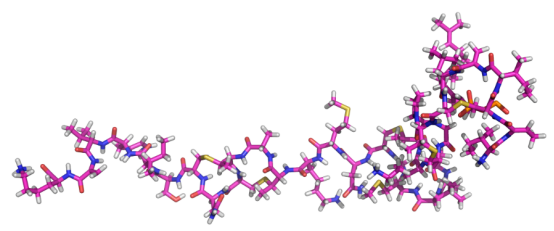
Image from Wikipedia
Characteristics of Nisin
Solubility
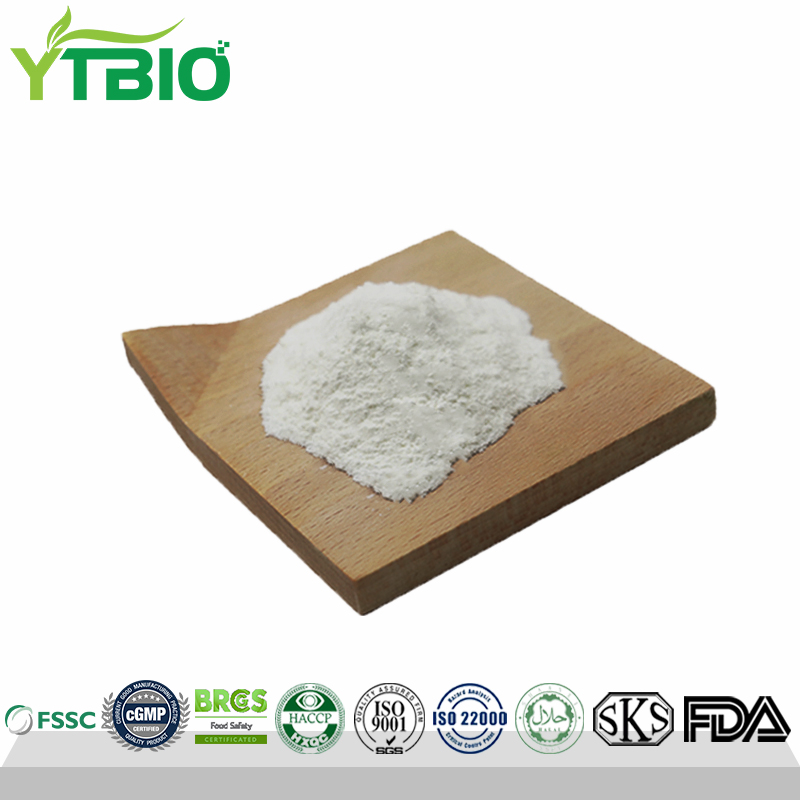
Nisin is a white or off-white solid powder that must be dissolved in water or liquid before use. Its solubility depends primarily on the pH of the solution; in water, solubility increases as pH decreases, and its aqueous solution is slightly turbid. Therefore, it is generally dissolved in hydrochloric acid before being added to food.
Stability
The stability of Nisin depends mainly on factors such as temperature, pH, and the matrix. Nisin exhibits the greatest stability under acidic conditions, and its thermal stability decreases with increasing pH. However, when nisin is added to food, its stability is greatly enhanced due to the protection of large protein molecules in milk, broth, etc.
Core Functions of Nisin
Nisin has a strong inhibitory effect on Gram-positive bacteria (especially putrefactive and pathogenic bacteria that form heat-resistant spores, such as Bacillus, Clostridium, Listeria, Staphylococcus, etc.). It effectively prevents food spoilage and toxin production caused by these bacteria, thus significantly extending the shelf life of food.
Nixococcus lactis can reduce the temperature and time required for food sterilization, minimizing nutrient loss and flavor degradation caused by overheating, and better preserving the original flavor of food. In meat products, it helps promote color development, improve texture, and reduce the amount and residue of nitrites, thereby reducing the formation of potentially harmful substances (such as nitrosamines), without adversely affecting the color, aroma, taste, or texture of the food itself.
As a polypeptide that can be digested and broken down by the human body, nisococcus lactis has a high safety profile. It can replace or partially replace chemically synthesized preservatives, meeting consumers' pursuit of "clean label," natural, and healthy foods. After consumption, it is rapidly degraded into amino acids by proteases (such as trypsin) in the human digestive tract and is normally absorbed and metabolized without accumulation. Due to its specific inhibition of Gram-positive bacteria and easy degradation, it does not disrupt the normal balance of intestinal flora, is unlikely to induce bacterial resistance, and is safe to use.
Core Applications and Examples of Nisin
Dairy Products: Pasteurized milk, cheese, yogurt, dairy desserts. Its function is to inhibit heat-resistant spore-forming bacteria (such as Clostridium and Bacillus), preventing late-stage spoilage and extending shelf life.
Meat Products: Ham, sausages, cooked meat products. Nisin can replace or reduce the amount of nitrite used, inhibiting spoilage bacteria and pathogenic bacteria (such as Listeria), improving color and safety.
Canned Goods: Canned vegetables, canned fruits, canned meat, canned fish. It can lower sterilization temperature and time, maintaining product flavor and nutrition, and preventing spoilage.
Beverages and Fruit Juices: Fruit juices, plant protein drinks, beer, alcoholic beverages. It can inhibit rancid and spoilage bacteria, extending the shelf life of non-refrigerated or short-shelf-life products.
Baked Goods: Bread, cakes, pastries. By inhibiting mold and spore-forming bacteria, it prevents mold and spoilage, extending shelf life.
Seafood products: Surimi products, seafood salads, and ready-to-eat seafood; extend the shelf life of refrigerated products by inhibiting specific spoilage bacteria.
Condiments: Salad dressings, soy sauces, and compound sauces. Prevent spoilage caused by acid-resistant bacteria.
Convenience foods: Ready-to-eat meals, pre-prepared dishes, and noodles; nisin provides mild preservative protection, aligning with the trend towards clean labeling.
Others: Egg products, flavorings, and some cosmetics; provide preservative functions in specific formulations.

