
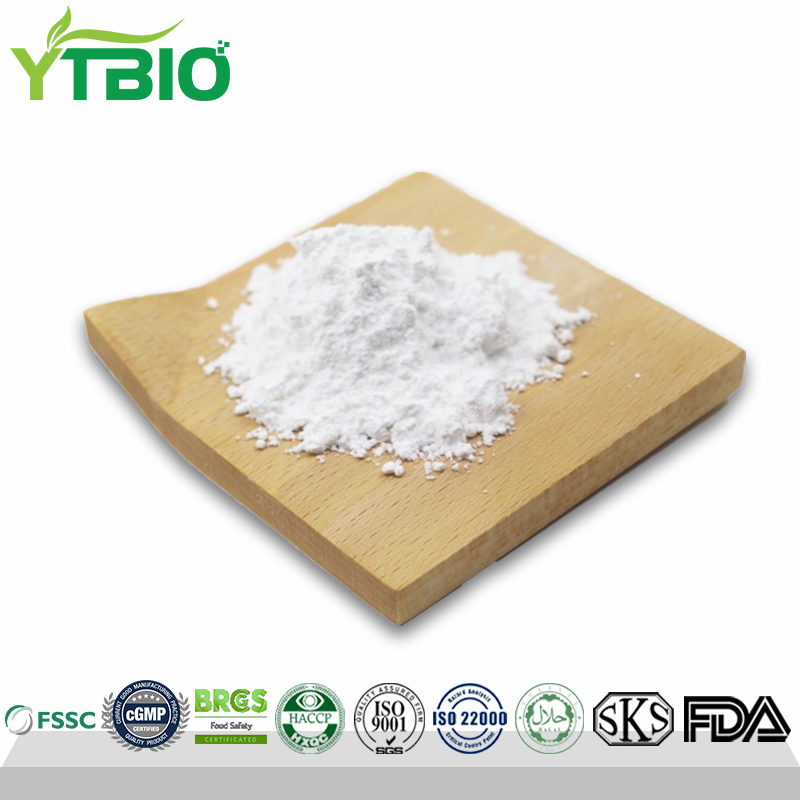
99% Lactobionic Acid Powder CAS 96-82-2
What is lactobionic acid?
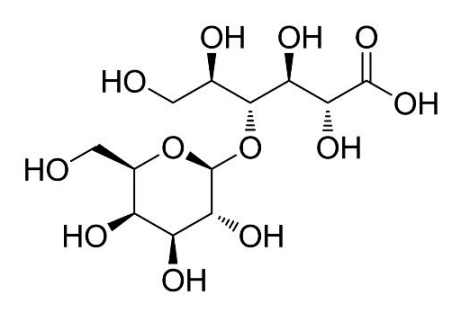
Lactobionic acid is an acid derived from lactose, where the terminal hydroxyl group is replaced by a carboxyl group. Its structure contains eight hydroxyl groups, allowing it to bind large amounts of water. Lactobionic acid is a novel polyhydroxy organic acid formed by linking one galactose molecule and one glucuronic acid molecule via an ether bond. It is also known as a third-generation fruit acid. Due to its excellent moisturizing, humectant, film-forming, antioxidant, and wound-healing properties, it is widely used in food, pharmaceuticals, cosmetics, and chemical industries.
In skincare, lactobionic acid can activate specific enzymes, reduce the strength of the stratum corneum's intercellular bonds, correct abnormal keratinization of the follicular epithelium, accelerate skin cell turnover, promote skin metabolism, and prevent clogged pores, thus smoothing and softening the skin. As a third-generation fruit acid, it inherits the excellent properties of the fruit acid family and surpasses them. In addition to having antioxidant effects comparable to vitamin C, its eight hydrophilic hydroxyl groups enhance its moisturizing function, strengthen the skin barrier, and improve skin clarity and smoothness.
Key Features
Gentleness: With a large molecular weight and slow penetration rate, it has extremely low skin irritation, making it suitable for sensitive, dry skin, and post-procedure recovery.
High Moisturizing Power: Its eight hydroxyl groups allow it to bind large amounts of water, providing moisturizing power several times that of traditional moisturizers (such as hyaluronic acid), effectively maintaining skin hydration.
Antioxidant Properties: It can chelate iron ions, inhibiting free radical generation and reducing oxidative damage, thus delaying skin aging.
Exfoliation and Skin Renewal: Gently loosens the bonds between keratinocytes, promoting the shedding of dead skin cells, improving rough, bumpy, and acne-prone skin.
Anti-inflammatory and Antibacterial: Inhibits Propionibacterium acnes and other bacteria, reducing acne breakouts and soothing inflamed skin.
lactobionic acid's Skin Care Benefits
Moisturization and Hydration
lactobionic acid molecules contain multiple hydroxyl groups that absorb moisture from the air, forming a moisturizing film to relieve dryness and strengthen the skin barrier, especially beneficial for dry and dehydrated skin.
Gentle Exfoliation
Compared to traditional fruit acids, lactobionic acid gently dissolves the bonds between keratinocytes, promoting the shedding of dead skin cells without damaging the skin barrier, reducing redness and irritation, suitable for sensitive or fragile skin.
Antioxidant and Repair
lactobionic acid scavenges free radicals, reducing oxidative damage and helping to diminish fine lines; it also stimulates collagen production, improving skin elasticity and delaying signs of photoaging (such as dullness and roughness).
Enhanced Penetration of Other Ingredients
By regulating stratum corneum metabolism, it helps other active ingredients (such as whitening and anti-aging agents) penetrate more effectively, enhancing overall skincare results.
Precautions
Usage Recommendations:
For first-time users, start with a low concentration (3%-5%), 2-3 times a week, gradually increasing frequency as tolerated.
Use sunscreen during the day (lactobionic acid may increase photosensitivity).
Avoid using with high concentrations of retinol, salicylic acid, or other highly irritating ingredients to prevent skin barrier damage.
Suitable for: Dry skin, sensitive skin, early signs of aging, and skin with clogged pores or rough texture due to keratin buildup.
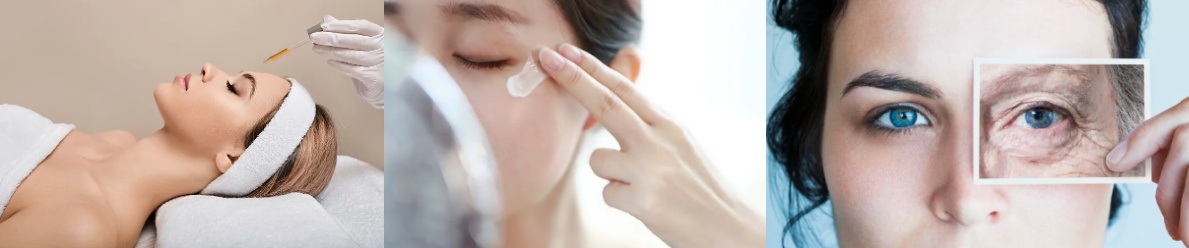
Applications of lactobionic acid
Medical Applications
lactobionic acid has antibacterial and anti-inflammatory properties, inhibiting infections caused by susceptible bacteria. It is effective in treating common colds, tonsillitis, and other ailments, while also promoting skin repair and delaying aging. Due to its antioxidant and tissue-repair-promoting properties, it is used in organ preservation solutions and as an aid in wound healing.
lactobionic acid can also improve digestive issues such as constipation and diarrhea, enhance nutrient absorption, and promote gut health.
Skin Care
lactobionic acid promotes skin cell metabolism, reduces free radical damage, enhances skin repair, and has moisturizing properties (each unit of lactobionic acid can absorb approximately 70g of water). Its moisturizing effect is superior to that of common moisturizers such as glycolic acid and lactobionic acid. It is commonly used in serums, lotions, and masks to improve skin texture, brighten complexion, and reduce wrinkles.
Food Processing
lactobionic acid is widely used as a food preservative, inhibiting foodborne pathogens and extending shelf life.
