
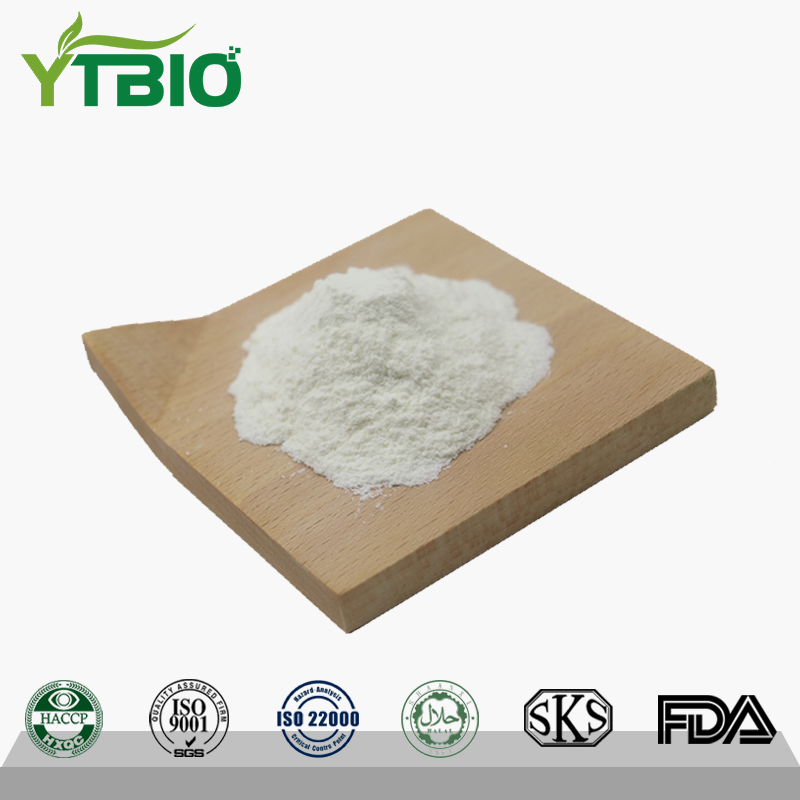
Factory Supply 98% D-Glucuronic Acid Powder
What is Glucoronic Acid?
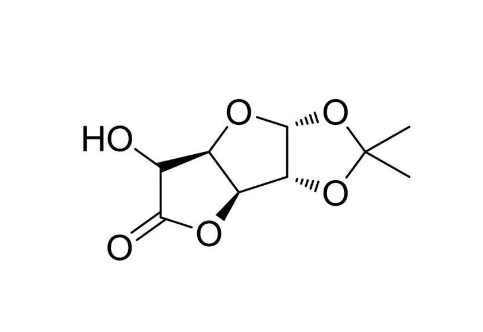
D-Glucuronic Acid is an organic compound with important physiological functions, playing a key role in the body's biochemical processes. As a core substance in the liver's detoxification system, it binds to exogenous toxic substances to form water-soluble complexes, promoting the inactivation and excretion of toxins, thereby exerting a significant detoxifying and protective effect.
In terms of metabolism, glucuronic acid participates in a variety of important biosynthetic processes. A typical example is its binding with bilirubin to form a water-soluble complex, a process that is crucial for bilirubin metabolism and excretion. Glucuronic acid also participates in a wide range of physiological regulatory functions, including maintaining blood acid-base balance and regulating hormone levels, playing an irreplaceable role in maintaining a stable internal environment.
What are the benefits?
Protecting Liver Function
Glucuronic acid, a uronic acid derivative formed by the oxidation of the C-6 hydroxyl group of glucose, has significant liver-protective effects. Its mechanism of action is primarily through increasing liver glycogen reserves, enhancing the liver's metabolic capacity and detoxification functions, and thus effectively maintaining liver health.
Regulating Lipid Metabolism
By specifically inhibiting liver amylase activity, glucuronic acid can interfere with the fat synthesis and metabolic pathway, reducing abnormal fat accumulation in the liver and playing a positive role in preventing metabolic diseases such as fatty liver.
Adjuvant Anti-Inflammatory Effect
Clinical studies have shown that glucuronic acid has an adjuvant therapeutic effect on acute inflammatory responses caused by specific etiologies, exerting a synergistic anti-inflammatory effect by modulating the expression of inflammatory factors.
Promoting Metabolism
Glucuronic acid can enhance gastrointestinal motility and improve digestive system activity, thereby promoting overall metabolic activity and optimizing nutrient digestion and absorption.
Enhanced Detoxification
As a key component of the liver's detoxification system, glucuronic acid enhances the body's detoxification capacity through a dual mechanism: firstly, it directly participates in the liver's detoxification metabolic process; secondly, it inhibits the growth of harmful intestinal bacteria, promoting the removal of intestinal toxins, achieving a comprehensive detoxification effect.
Applications
Cosmetic Applications
Glucuronic acid, thanks to its multiple skincare benefits, has become a star ingredient in cosmetic formulations. Its excellent moisturizing properties deeply nourish the skin, while its potent antioxidant and anti-inflammatory properties help improve a variety of skin concerns. It provides comprehensive support for various skincare and beauty products, earning it widespread market recognition.
 Food and Beverage Applications
Amidst the evolving health consumption landscape, glucuronic acid is demonstrating unique value as a functional food additive. Its scientific inclusion in various functional beverages not only enhances the product's health profile but also meets modern consumers' demand for nutritionally enhanced beverages, creating innovative opportunities for the food and beverage industry.
